


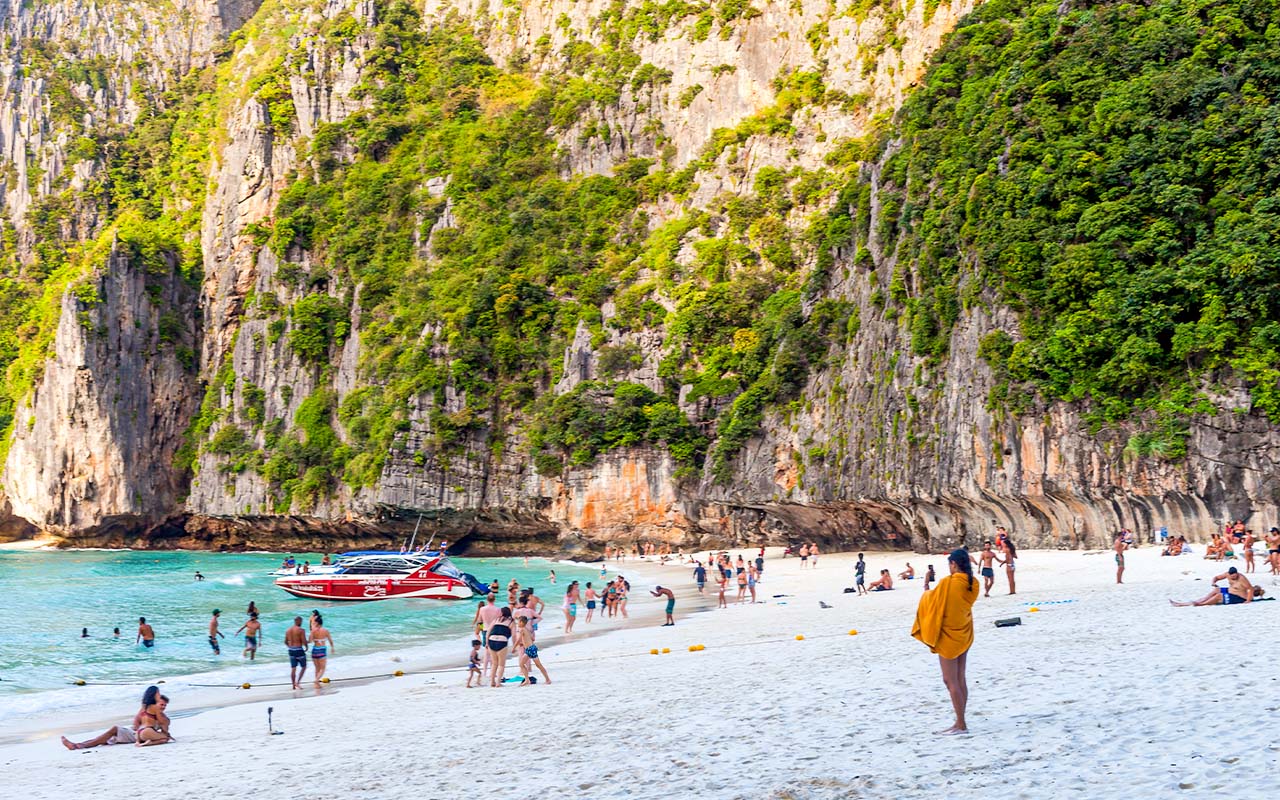
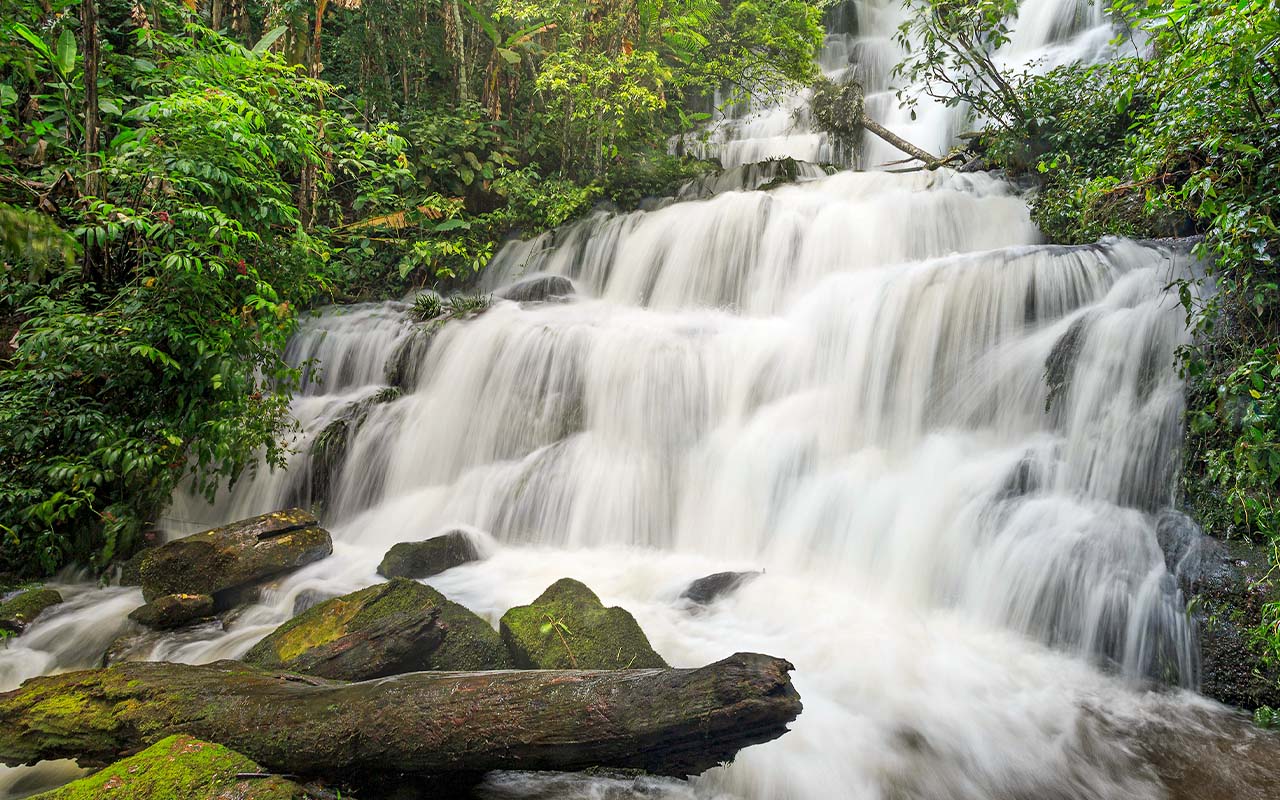
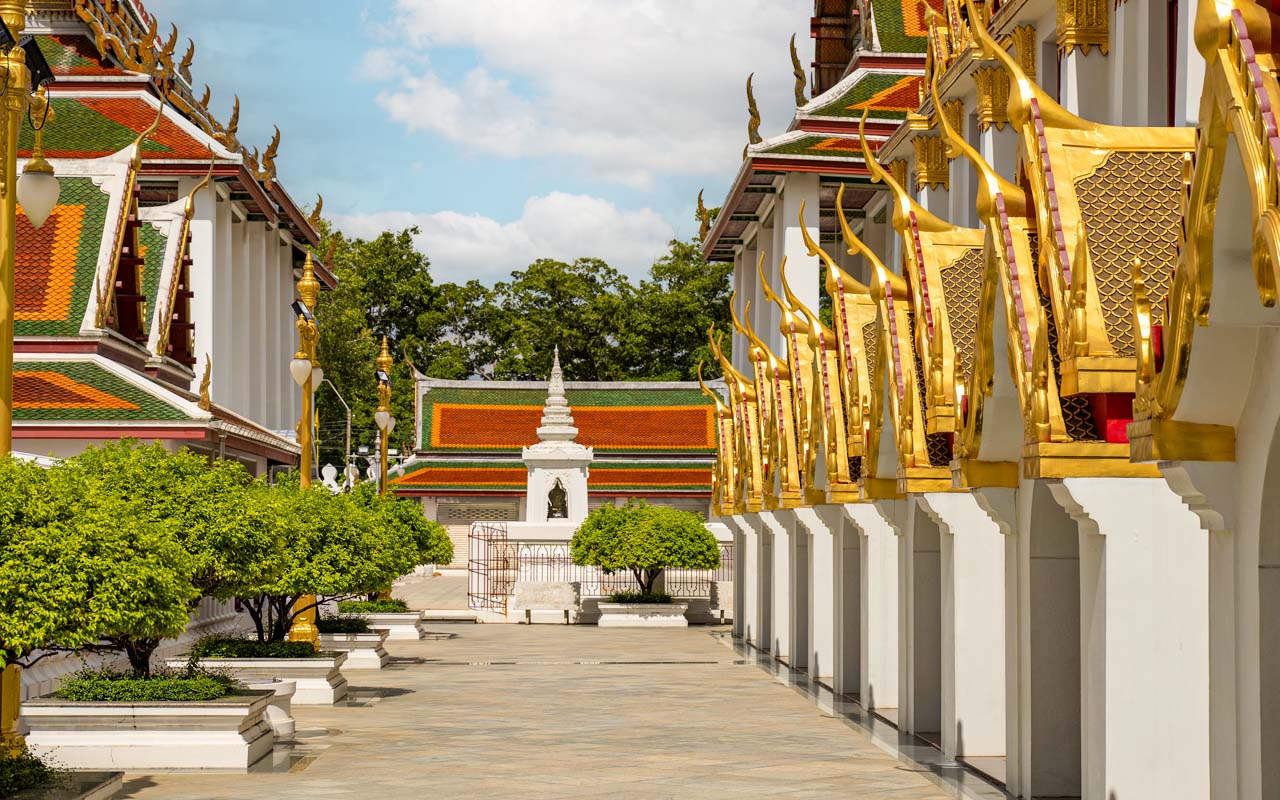

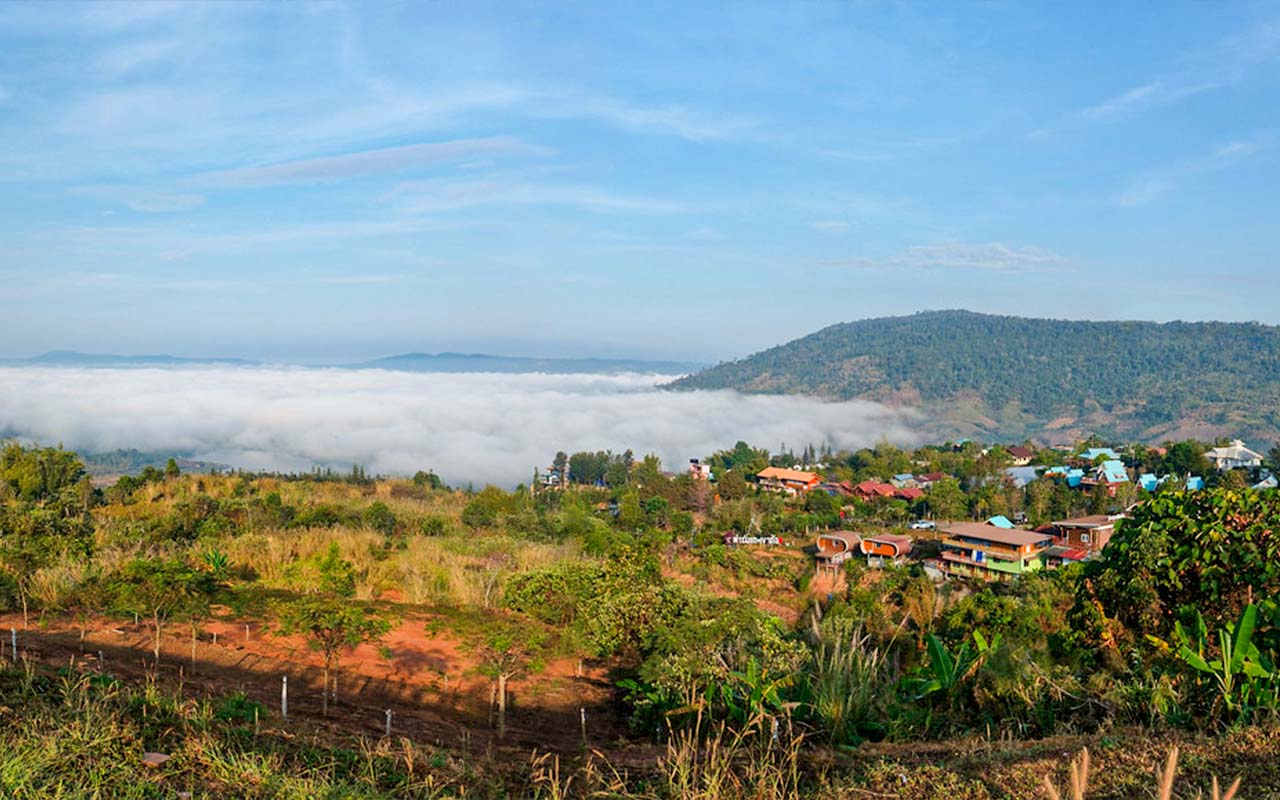

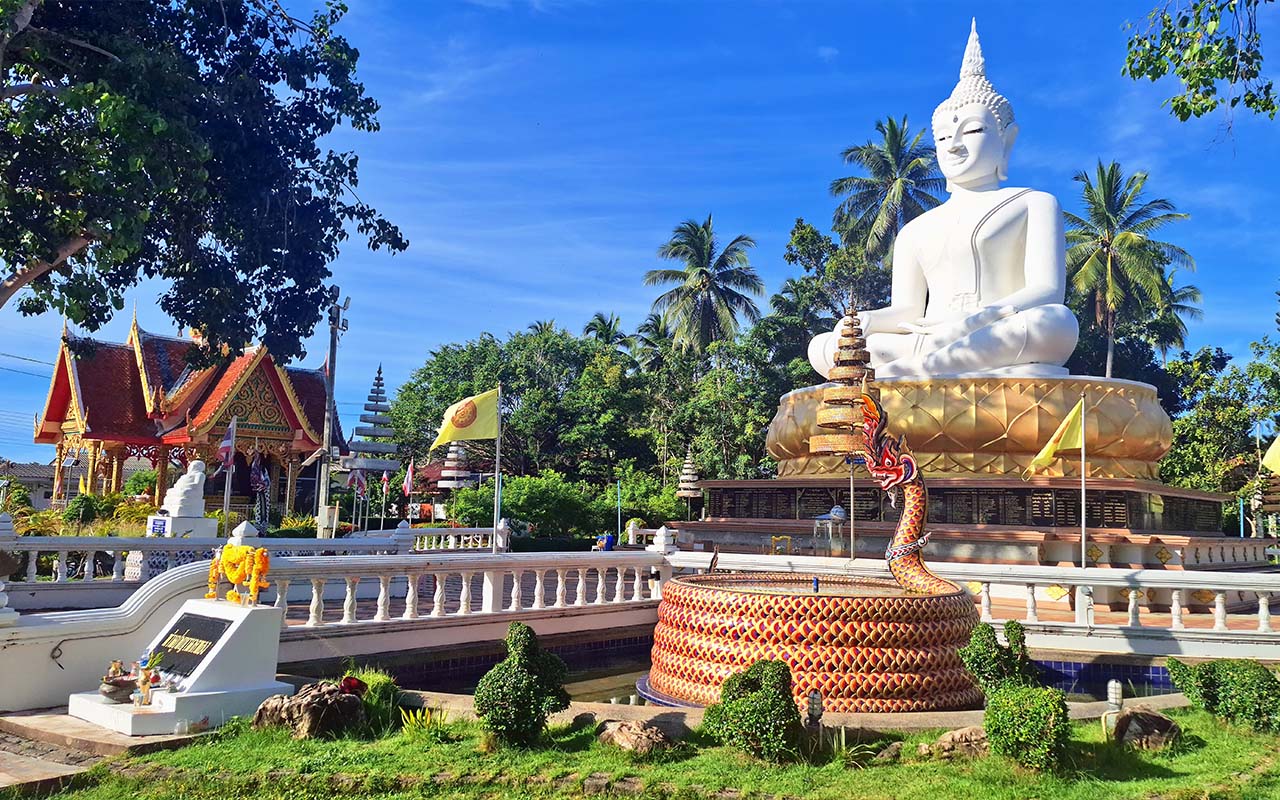

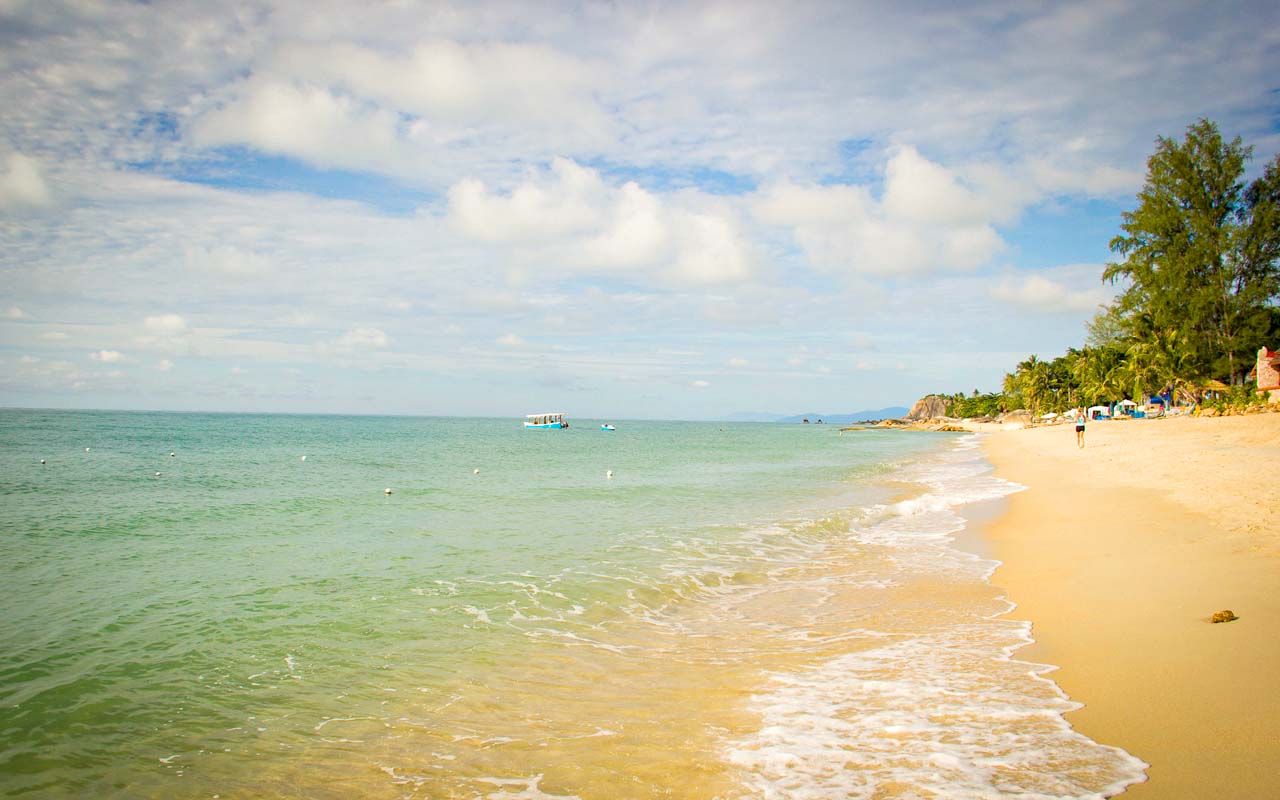
For most travelers, November through February is the easiest overall window to visit Thailand: cooler air, lower humidity, and dependable dry-season conditions across Bangkok, Northern Thailand, and much of the coastline. That said, it isn't true for every destination. Phuket and Krabi, on the Andaman coast, share that same November-to-April dry stretch, but Koh Samui and Koh Phangan, on the Gulf coast, run a different calendar entirely - their own rainy season lands later, mostly in October and November. The honest answer to "when's the best time to visit Thailand" depends on which coast, which region, and which kind of trip you're planning, and that's exactly what this guide breaks down.
Best time to visit Thailand at a glance
Here's the short version I give clients before we get into the details. Use it to orient yourself, then jump to the section that matches your trip.
| Travel goal | Generally best period | Notes |
|---|---|---|
| First-time Thailand trip | November-February | Reliably comfortable weather across most regions |
| Bangkok & cultural sightseeing | November-February | Lower humidity makes walking tours far easier |
| Phuket / Krabi beach trip | Generally November-April | Andaman coast; wetter May-October |
| Koh Samui / Koh Tao beach trip | December-September | Gulf coast; own rainy season October-December |
| Chiang Mai trekking | November-January | Cool and dry, with clear mountain views |
| Songkran | Mid-April | Nationwide water festival; hot season |
| Lower-season / budget travel | May-October | Fewer crowds; weather is more variable |
| Green landscapes & waterfalls | June-October | Regional timing varies |
| Golf | Generally November-February | Cooler, drier outdoor conditions |
Thailand weather by region

Thailand doesn't run on a single climate - the Thai Meteorological Department itself divides the country into six observation regions, including separate zones for the Andaman (west) and Gulf (east) coasts. Get the region right and your trip runs itself; get it wrong and you might spend a beach week ducking under an umbrella. Here's the breakdown region by region.
Northern Thailand
Chiang Mai and Chiang Rai are most comfortable from November through January, with cool, dry air that makes hiking to hill-tribe villages and wandering ancient temple grounds genuinely pleasant. Daytime temperatures generally sit between 15-25°C (59-77°F) in this window.
Vicky's Expert Advice: February through April is also technically part of the "cool-to-hot" transition, but I steer clients wanting guaranteed clear mountain views toward November-January instead. Northern Thailand's agricultural burning season typically runs from mid-February through April, bringing smoky, hazy skies to Chiang Mai until the rains arrive around Songkran. If you're set on those months, ask about hotels with in-room air purifiers, and keep expectations realistic for mountain-view photography.
Central Thailand
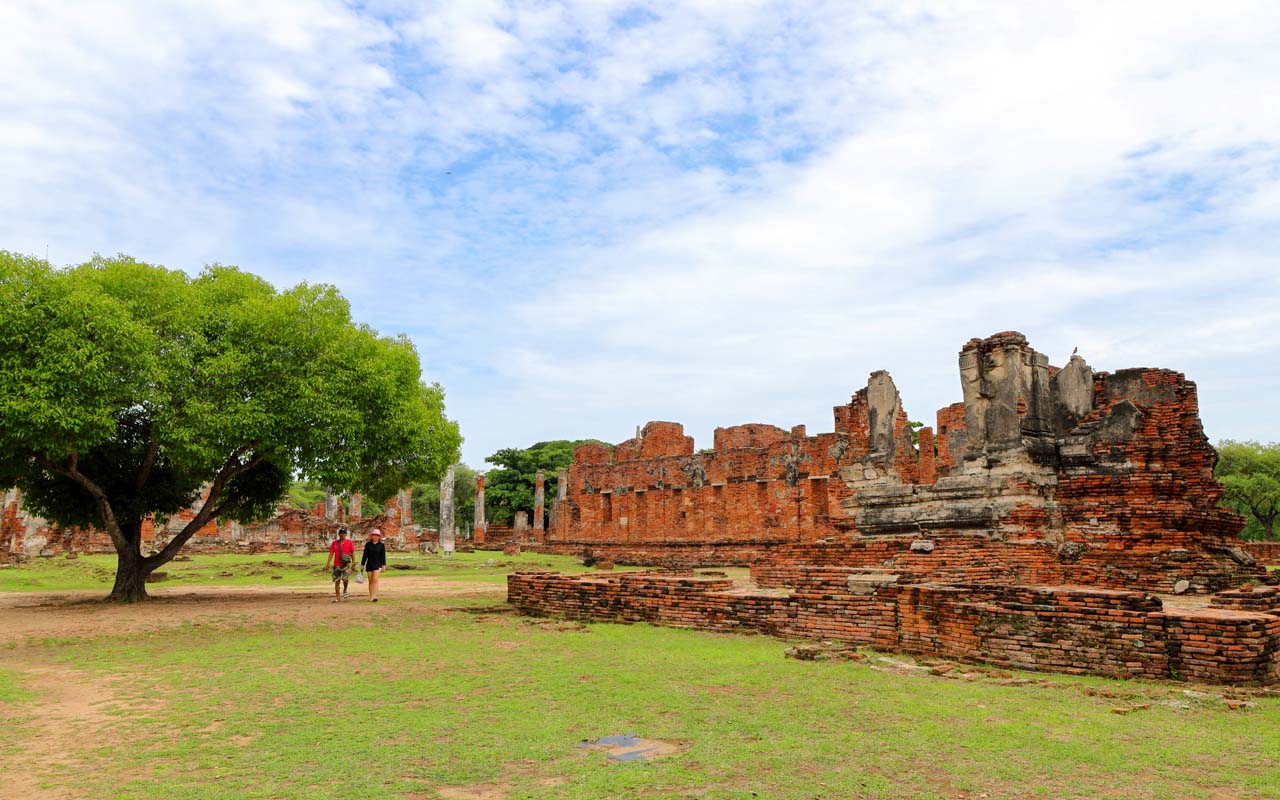
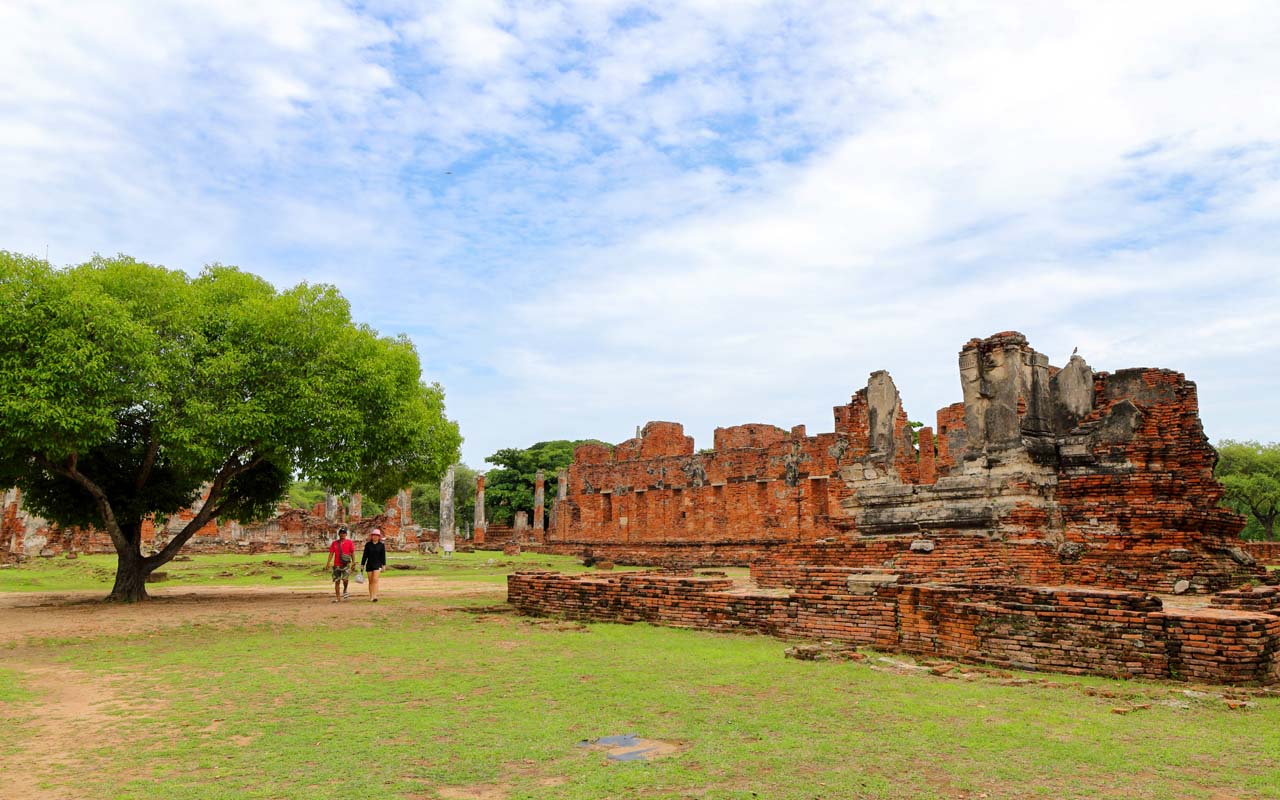
Bangkok and Ayutthaya welcome visitors year-round, but November through February is the most comfortable stretch, with lower humidity and daytime temperatures generally around 25-32°C (77-90°F). The city never really slows down regardless of season, but these cooler months make a full day on foot between temples, markets, and riverside sights noticeably easier than the March-to-May heat.
Andaman Coast

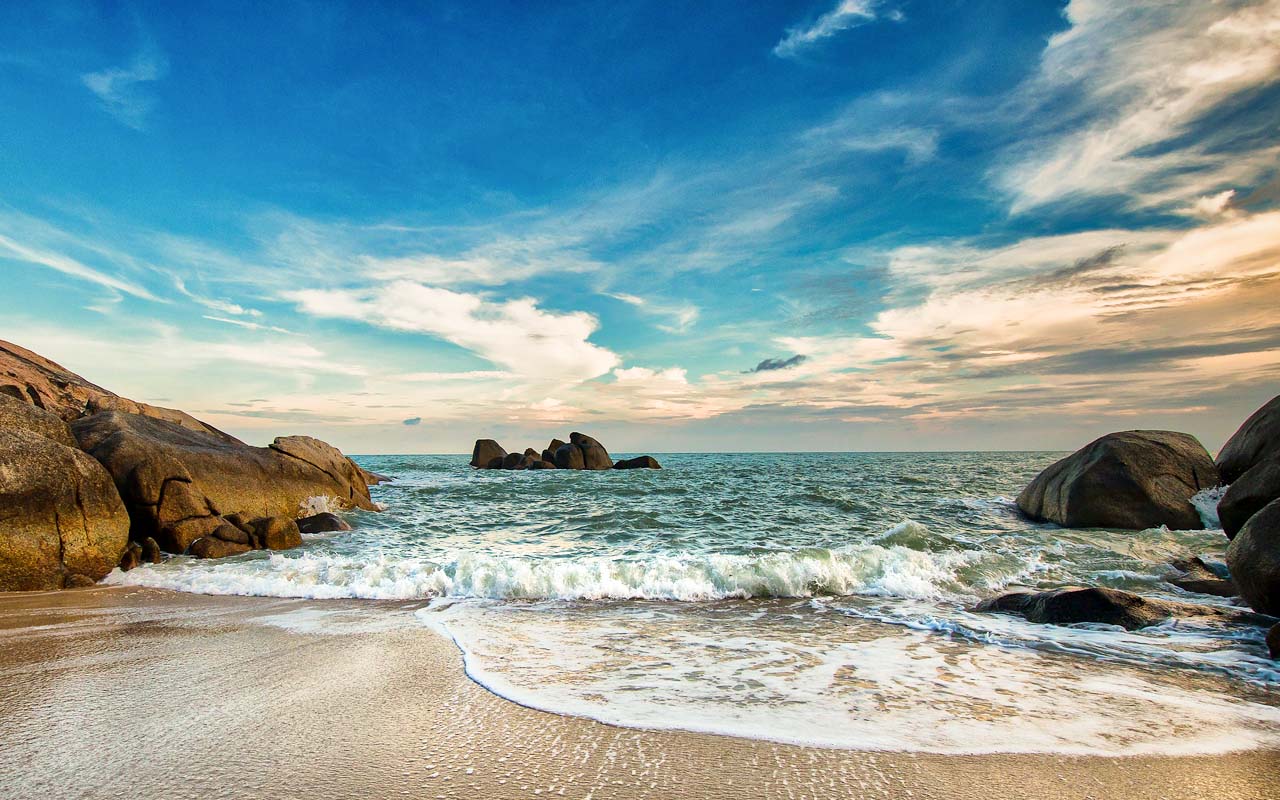
Phuket, Krabi, and Khao Lak generally see their best conditions from November to April, when the southwest monsoon has cleared, seas are calmer, and island-hopping is at its easiest. From roughly May through October, this coast takes on the bulk of Thailand's rainy season, with rainfall building steadily through August and September before tapering off in October.
Gulf Coast
Koh Samui, Koh Phangan, and Koh Tao follow a noticeably different pattern. Because they sit on the Gulf side rather than the Andaman side, they're largely sheltered from the mid-year southwest monsoon that soaks Phuket and Krabi - which makes December through September a generally favorable stretch for this coast, including months that are wet elsewhere in the country. Instead, the Gulf islands have their own rainy season driven by the northeast monsoon, concentrated mainly in October through December and peaking in November, which is typically the wettest single month on Koh Samui.
Phuket or Koh Samui: which coast has better weather?
This is one of the most useful things to understand before booking a Thailand beach trip, and it surprises a lot of first-time visitors: November, often the single best month for Phuket and Krabi, is typically the worst month of the year for Koh Samui. The two coasts are almost never rainy at the same time.
| Destination | Coast | Generally favorable period | Main consideration |
|---|---|---|---|
| Phuket | Andaman | November-April | Wetter May-October |
| Krabi | Andaman | November-April | Rainfall variability increases mid-year |
| Koh Samui | Gulf | December-September | Own rainy season, heaviest October-December |
| Koh Tao | Gulf | December-September | Similar pattern to Koh Samui; sea conditions vary by month |
In practice, this means a beach trip in July or August - generally poor timing for Phuket - can still work well on Koh Samui or Koh Tao. And a trip in November, ideal for the Andaman coast, is exactly when the Gulf islands are at their wettest. I use this split constantly when a client's dates are fixed but their destination isn't.
Thailand's seasons
Beyond the regional split, it helps to understand Thailand's three broad seasons. The Tourism Authority of Thailand describes the country's weather as roughly six months of rain, three months of cool dry season, and three months of heat - though, as above, the exact timing shifts by coast and region.
Cool / dry season (generally November-February)
This is Thailand's most comfortable stretch for most of the country, and the one I book more trips into than any other. Daytime temperatures in central and northern Thailand generally sit between 20-30°C (68-86°F), with humidity low enough that a full day of sightseeing doesn't feel like hard work.
Good for: Ayutthaya and Kanchanaburi sightseeing, Chiang Mai and Chiang Rai trekking, Phuket and Krabi beach time, and February's Chiang Mai Flower Festival.
Trade-off: this is also peak tourist season, with the year's highest flight and hotel prices, so book well ahead.
Hot season (generally March-May)

Temperatures climb steadily and regularly pass 35°C (95°F) inland, especially in Bangkok and Ayutthaya. Coastal areas stay more bearable thanks to sea breezes. This is also when Songkran, Thailand's water-splashing New Year, takes over the entire country from April 13-15.
Good for: Songkran itself, calm-water beach days on both coasts before the monsoon builds, diving around Koh Tao, and cooking classes and other indoor activities during the hottest midday hours.
Trade-off: plan outdoor sightseeing for early morning or late afternoon, and prioritize hotels with strong, reliable air conditioning.
Rainy / green season (generally May-October, varies by coast)
Rainfall is often concentrated in heavy, short-lived showers, but during stronger monsoon periods, prolonged rain, localized flooding, and travel disruption can also occur - particularly on the Andaman coast in August and September, and on the Gulf coast in October and November. It isn't a season to fear, but it does call for a flexible itinerary rather than a rigid hour-by-hour plan.
Good for: lush, green landscapes and fuller waterfalls, noticeably thinner crowds at major sites, and temple visits, museums, and cooking classes between showers.
Trade-off: accommodation rates are often lower during this stretch, though the difference varies significantly by destination and property, and it's worth checking ferry and road conditions for rural or island routes.
Best time to visit Thailand for different travelers
The "right" season also depends on who's traveling and what the trip needs to deliver.
Families
School-holiday timing often makes the decision for families, and Thailand handles most calendars well. If you have flexibility, November through February gives young kids and parents the most comfortable outdoor hours; if you're locked into a July or August school break, the Gulf coast (Koh Samui, Koh Phangan) is generally a better bet than the Andaman side, which is deeper into its rainy season by then.
Seniors
Lower humidity and milder heat make the cool season (November-February) the easiest stretch for full days of walking and sightseeing. Outside that window, I build in shorter outdoor blocks, more air-conditioned breaks, and a slower daily pace rather than pushing a packed itinerary through the heat.
Golf travelers
Vicky's Expert Advice: November through February is my go-to window for golf groups, with cooler mornings and the lowest risk of rain delays. Courses around Bangkok, Hua Hin, and Pattaya are playable nearly year-round, but if a group's schedule is flexible enough to work with the calendar, I always push for these four months first.
Honeymooners
There's no single answer here - it depends heavily on the coast. A Phuket-and-Krabi honeymoon points toward November-April; a Koh Samui honeymoon points toward December-September. Pairing a few inland days (Bangkok or Chiang Mai) with a beach stay works well in the cool season across nearly any combination.
Luxury travelers
Cool-season months bring the best weather but also the highest demand, meaning marquee resorts and top-tier private guides book out furthest in advance. Traveling in the shoulder months just before or after peak season (late October/early November, or March) can mean better hotel availability and more attentive service, with only a modest weather trade-off.
Divers & beach travelers
Diving conditions vary by coast and site, so it's worth checking specifics for your chosen dive area rather than assuming one calendar covers the whole country. As a starting point: the Andaman coast (Similan Islands, Khao Lak, Phuket) is generally at its best November-April, while Gulf-side diving around Koh Tao follows the Gulf coast's own pattern, with October-December being the period to plan around most carefully.
Thailand weather month by month

If you already have travel dates, here's the month-by-month view I actually use when building a client's itinerary. Remember that "rainy" rarely means all-day rain everywhere - it varies by coast, as the regional sections above explain.
January
Weather: Cool and dry across most of the country; one of the most reliable months of the year.
Best for: Chiang Mai and Chiang Rai, Bangkok sightseeing, and both coasts for beach time.
Watch out for: Peak-season pricing and crowds at major sites.
February
Weather: Similar to January, though heat starts building toward month's end, especially inland.
Best for: Chiang Mai Flower Festival, Bangkok and central Thailand.
Watch out for: Early burning-season haze can begin in the north from mid-to-late February.
March
Weather: Warming quickly; still dry across most of the country.
Best for: A last comfortable window for Phuket and Krabi before peak heat.
Watch out for: Northern Thailand's burning season is typically at its worst this month - expect hazy skies in Chiang Mai.
April
Weather: Hot and humid, especially inland; often the hottest month.
Best for: Songkran (April 13-15) and its nationwide water celebrations.
Watch out for: Intense midday heat; plan outdoor activities for morning or evening.
May
Weather: Very hot, with the southwest monsoon starting to build on the Andaman coast.
Best for: Thinner crowds and lower prices for budget-minded travelers.
Watch out for: Rain becomes more frequent on the Andaman side; the Gulf coast is still largely clear.
June
Weather: Rainy season builds in the north and central regions and on the Andaman coast.
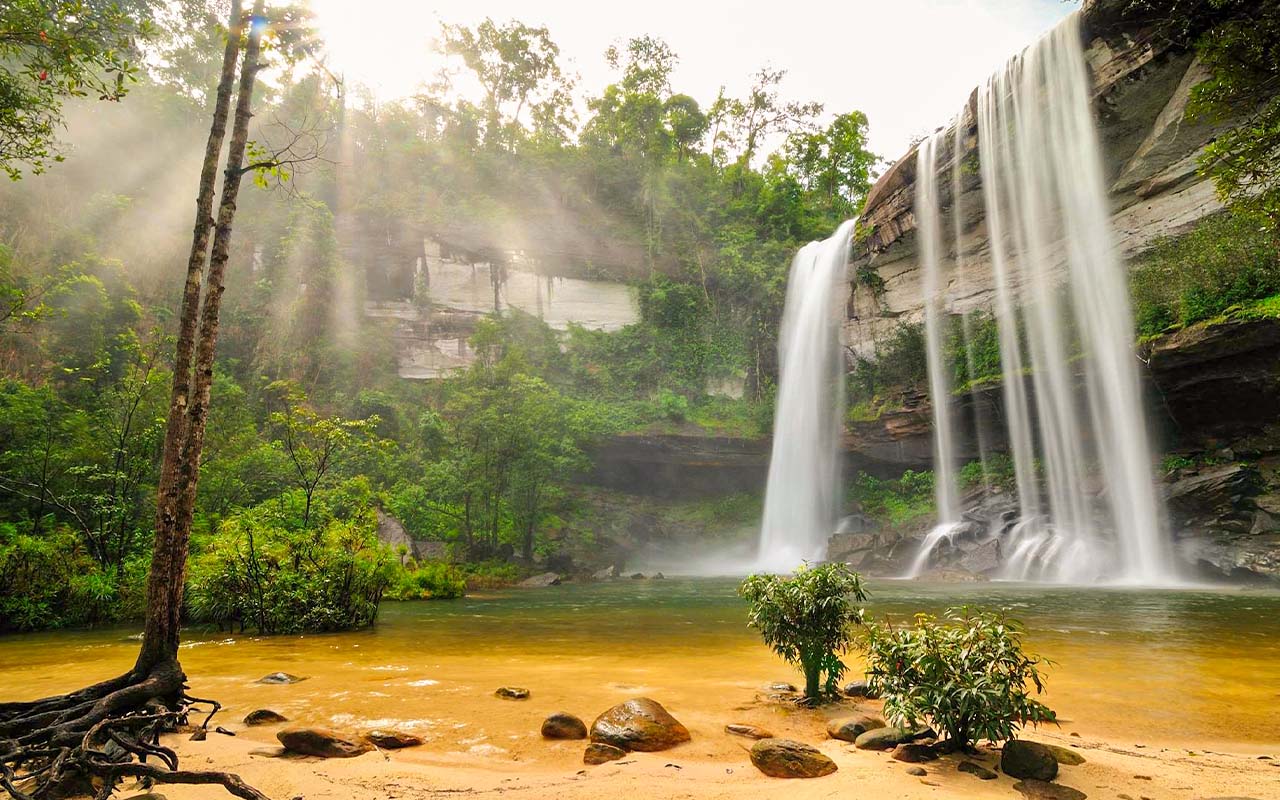
Best for: Lush scenery, thinner crowds, and waterfalls and national parks running fuller.
Watch out for: Showers are usually short but can occasionally run longer; keep plans flexible.
July
Weather: Rain continues on the mainland and Andaman coast; the Gulf coast stays comparatively dry.
Best for: Koh Samui and Koh Phangan, which run their own dry stretch this month.
Watch out for: European summer travel season pushes up demand on the Gulf islands.
August
Weather: Wet on the Andaman coast, with heavier and more frequent rain in many regions.
Best for: Some of the year's better accommodation rates and value; good month for cultural and indoor-heavy itineraries.
Watch out for: Prolonged rain and localized flooding are possible during stronger monsoon spells, particularly on the Andaman coast.
September
Weather: Peak of the rainy season on the Andaman coast and much of the mainland.
Best for: The greenest scenery of the year and some of the thinnest crowds - a strong month for nature-focused travel.
Watch out for: Andaman sea conditions can be rougher; check ferry schedules to island destinations.
October
Weather: Rain tapers off on the Andaman coast toward month's end, while the Gulf coast's own rainy season is just beginning.
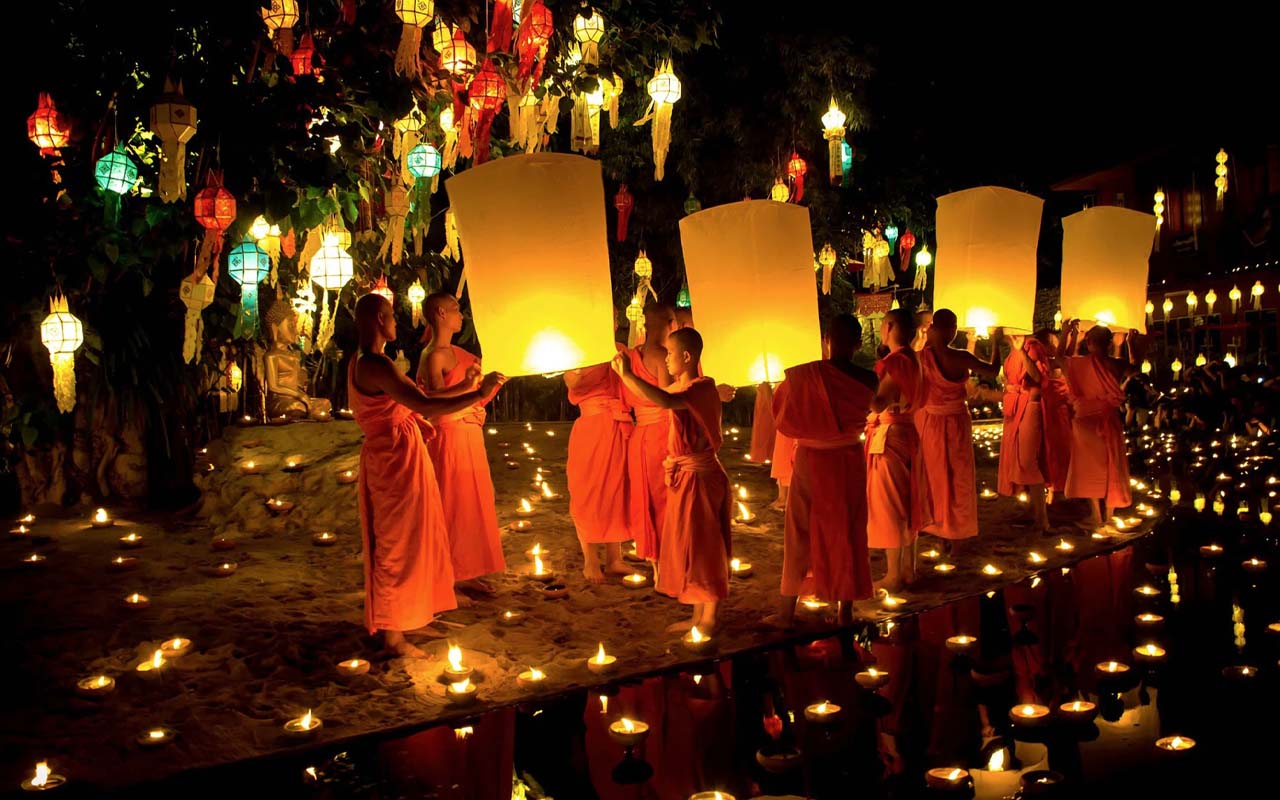
Best for: Loy Krathong's floating lantern festival, and improving conditions on the Andaman side.
Watch out for: Koh Samui and Koh Phangan start picking up significant rainfall this month.
November
Weather: Cool, dry season begins on the Andaman coast and mainland - but this is typically the wettest month of the year on the Gulf coast.
Best for: Phuket, Krabi, Bangkok, and Northern Thailand.
Watch out for: Koh Samui and Koh Phangan are at their rainiest; consider the Andaman coast instead if a beach trip falls this month.
December
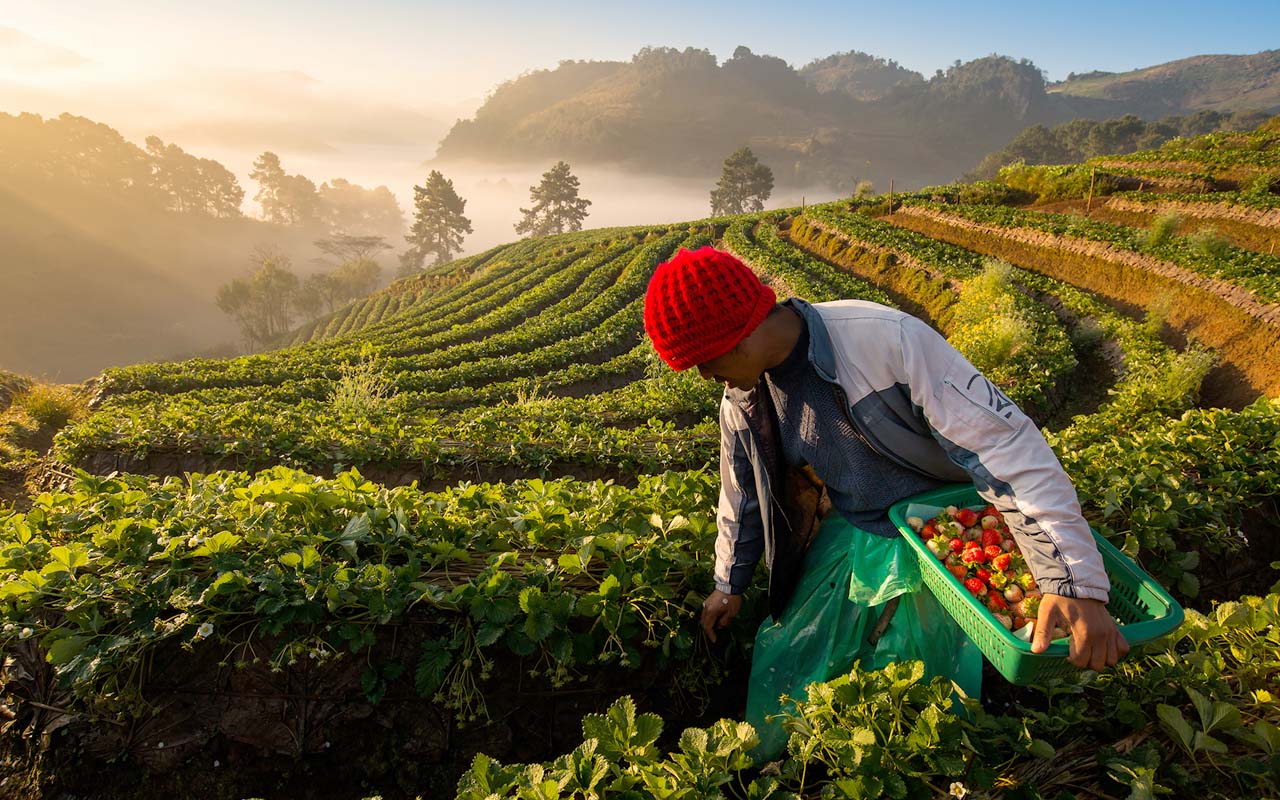
Weather: Cool and dry across most of the country, including the Gulf coast, where conditions improve sharply after November's rain.
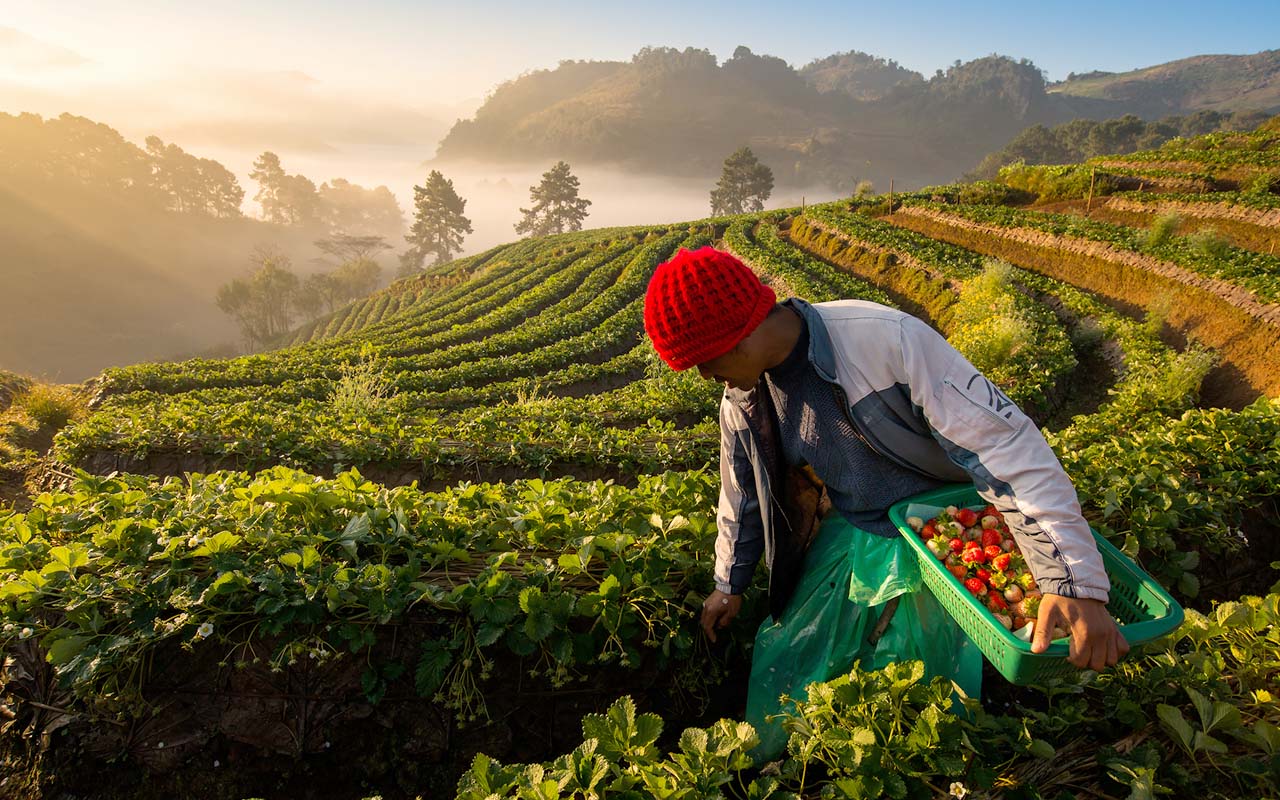
Best for: Peak-season travel almost anywhere - beaches on both coasts, northern hill country, and its cool-season strawberry harvest.
Watch out for: This is the single busiest month of the year; book well ahead.
Best time to visit Thailand by destination
Quick reference for specific places, building on the regional and monthly guidance above.
Bangkok
Best November-February for comfortable walking days; visitable year-round.
Chiang Mai
Best November-January for clear skies; avoid February-April if smoky conditions from the regional burning season are a concern.
Chiang Rai
Follows the same pattern as Chiang Mai - November-January is clearest and coolest.
Phuket
Best November-April; wetter and more variable May-October.
Krabi
Same Andaman pattern as Phuket - best November-April.
Khao Lak
Andaman coast; best November-April, with some of the region's higher rainfall totals May-September.
Koh Samui
Best December-September; its own rainy season runs October-December, peaking in November.
Koh Tao
Follows the Gulf coast pattern of Koh Samui - generally best December-September.
Hua Hin
Comfortable most of the year thanks to a relatively sheltered coastline; November-February is coolest and driest, and a favorite window for golf.
Pattaya
Similar pattern to Bangkok; November-February is most comfortable, though the city is visited year-round.
Khao Sok
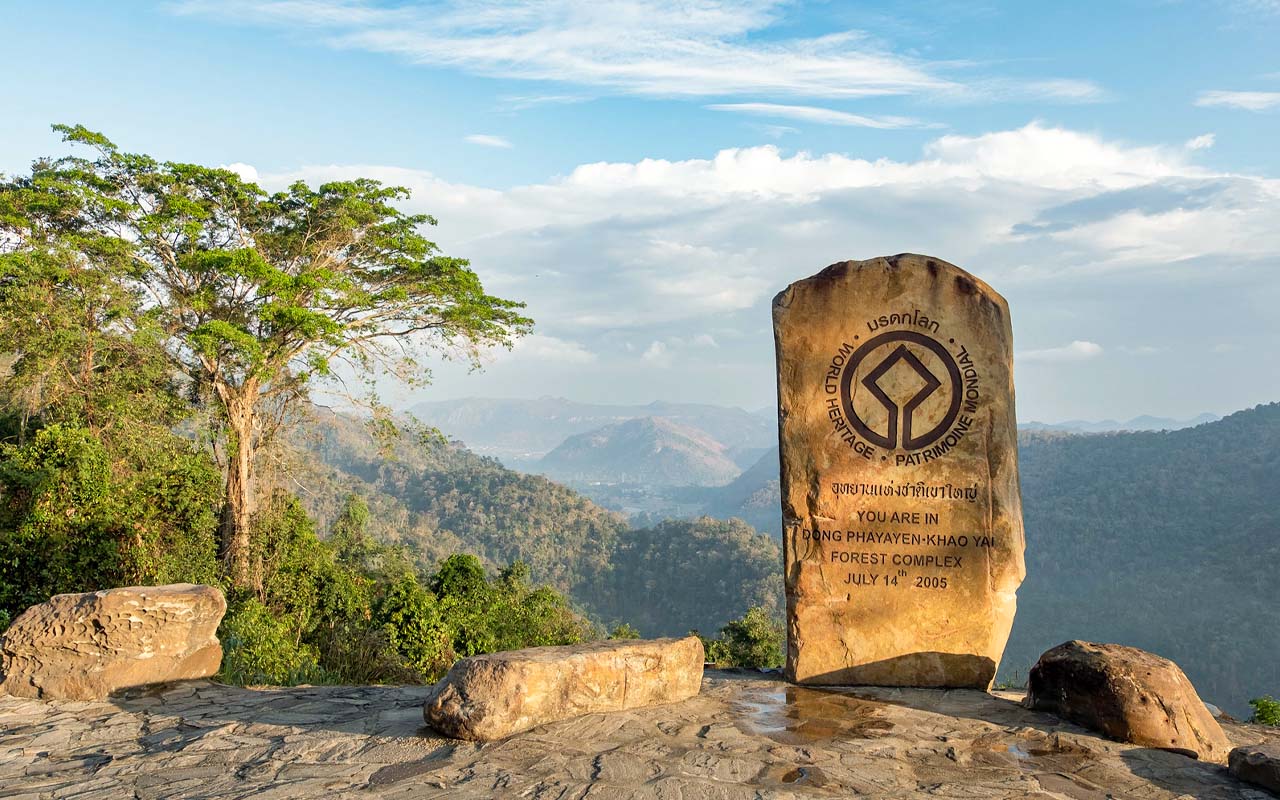
Rainy season (roughly June-October) is when its waterfalls and jungle scenery are most dramatic; November-February is driest and easiest for trekking.
Ayutthaya
Best November-February for comfortable ruins exploring; can be very hot by midday from March-May.
Thailand weather & climate by destination
A quick look at the numbers goes further than any general season description. I use a version of this table with clients constantly when we're pinning down exact travel dates for a specific destination. Figures show average daily high temperature and average monthly rainfall.
| Destination | Jan | Feb | Mar | Apr | May | Jun | Jul | Aug | Sep | Oct | Nov | Dec |
|---|---|---|---|---|---|---|---|---|---|---|---|---|
| Ayutthaya | 32°C / 90°F 0mm / 0in |
34°C / 93°F 25mm / 1in |
36°C / 97°F 25mm / 1in |
36°C / 97°F 76mm / 3in |
35°C / 95°F 152mm / 6in |
34°C / 93°F 178mm / 7in |
33°C / 91°F 178mm / 7in |
32°C / 90°F 178mm / 7in |
32°C / 90°F 279mm / 11in |
32°C / 90°F 178mm / 7in |
31°C / 88°F 51mm / 2in |
31°C / 88°F 0mm / 0in |
| Bangkok | 32°C / 90°F 0mm / 0in |
33°C / 91°F 25mm / 1in |
34°C / 93°F 25mm / 1in |
35°C / 95°F 76mm / 3in |
34°C / 93°F 178mm / 7in |
33°C / 91°F 152mm / 6in |
33°C / 91°F 152mm / 6in |
32°C / 90°F 203mm / 8in |
32°C / 90°F 330mm / 13in |
32°C / 90°F 229mm / 9in |
31°C / 88°F 51mm / 2in |
31°C / 88°F 0mm / 0in |
| Chiang Mai | 28°C / 82°F 0mm / 0in |
31°C / 88°F 0mm / 0in |
34°C / 93°F 25mm / 1in |
35°C / 95°F 51mm / 2in |
33°C / 91°F 152mm / 6in |
31°C / 88°F 102mm / 4in |
30°C / 86°F 152mm / 6in |
30°C / 86°F 178mm / 7in |
30°C / 86°F 203mm / 8in |
29°C / 84°F 152mm / 6in |
29°C / 84°F 25mm / 1in |
28°C / 82°F 25mm / 1in |
| Khao Lak | 31°C / 88°F 25mm / 1in |
33°C / 91°F 25mm / 1in |
33°C / 91°F 76mm / 3in |
33°C / 91°F 178mm / 7in |
32°C / 90°F 381mm / 15in |
31°C / 88°F 457mm / 18in |
30°C / 86°F 457mm / 18in |
30°C / 86°F 457mm / 18in |
30°C / 86°F 559mm / 22in |
30°C / 86°F 356mm / 14in |
30°C / 86°F 178mm / 7in |
30°C / 86°F 51mm / 2in |
| Koh Samet | 33°C / 91°F 25mm / 1in |
33°C / 91°F 51mm / 2in |
33°C / 91°F 51mm / 2in |
34°C / 93°F 102mm / 4in |
33°C / 91°F 203mm / 8in |
32°C / 90°F 203mm / 8in |
32°C / 90°F 203mm / 8in |
32°C / 90°F 203mm / 8in |
31°C / 88°F 279mm / 11in |
32°C / 90°F 229mm / 9in |
32°C / 90°F 76mm / 3in |
32°C / 90°F 0mm / 0in |
| Koh Samui | 29°C / 84°F 178mm / 7in |
31°C / 88°F 51mm / 2in |
33°C / 91°F 76mm / 3in |
34°C / 93°F 51mm / 2in |
33°C / 91°F 127mm / 5in |
33°C / 91°F 76mm / 3in |
32°C / 90°F 127mm / 5in |
32°C / 90°F 102mm / 4in |
32°C / 90°F 127mm / 5in |
31°C / 88°F 279mm / 11in |
29°C / 84°F 457mm / 18in |
29°C / 84°F 254mm / 10in |
| Krabi | 31°C / 88°F 25mm / 1in |
33°C / 91°F 25mm / 1in |
34°C / 93°F 51mm / 2in |
34°C / 93°F 152mm / 6in |
32°C / 90°F 178mm / 7in |
32°C / 90°F 254mm / 10in |
32°C / 90°F 229mm / 9in |
31°C / 88°F 229mm / 9in |
31°C / 88°F 330mm / 13in |
31°C / 88°F 254mm / 10in |
30°C / 86°F 203mm / 8in |
30°C / 86°F 76mm / 3in |
| Phuket | 31°C / 88°F 51mm / 2in |
32°C / 90°F 25mm / 1in |
33°C / 91°F 51mm / 2in |
33°C / 91°F 152mm / 6in |
32°C / 90°F 330mm / 13in |
31°C / 88°F 279mm / 11in |
31°C / 88°F 279mm / 11in |
31°C / 88°F 279mm / 11in |
30°C / 86°F 381mm / 15in |
30°C / 86°F 330mm / 13in |
30°C / 86°F 178mm / 7in |
31°C / 88°F 76mm / 3in |
| Udon Thani | 29°C / 84°F 0mm / 0in |
31°C / 88°F 25mm / 1in |
34°C / 93°F 51mm / 2in |
35°C / 95°F 76mm / 3in |
33°C / 91°F 229mm / 9in |
32°C / 90°F 254mm / 10in |
32°C / 90°F 254mm / 10in |
31°C / 88°F 305mm / 12in |
31°C / 88°F 279mm / 11in |
31°C / 88°F 76mm / 3in |
30°C / 86°F 0mm / 0in |
29°C / 84°F 0mm / 0in |
Climate data: figures reflect long-term historical averages for each destination and are provided for general planning purposes. Actual conditions vary from year to year and by exact location. Source: Thai Meteorological Department (tmd.go.th).
How to read Thailand's climate data
The temperature figure in each cell is the average daily high for that month and destination - not the overnight low or a single day's record. The rainfall figure is the average total precipitation for the month, not a forecast for any individual day.
Because these are historical averages, any single year can run wetter, drier, hotter, or cooler than the table suggests, and a monthly average can mask real day-to-day variation - a "wet" month is rarely wet every single day. Regional weather can also differ substantially from the broad national season labels ("rainy season," "cool season") used elsewhere in this guide, which is why the region-by-region and destination-by-destination sections above matter more than the calendar alone.
There's no single "right" month to visit Thailand - only the right month for the trip you're planning. Chasing dry, cool sightseeing days points toward November through February; chasing quiet temples and lower prices points toward the green season; chasing a festival points straight at mid-April. What matters most is matching the calendar to what you actually want out of the trip, not what a generic guide calls "peak season."
Weather data & sources
Climate information in this guide is based on long-term averages and seasonal patterns published by Thailand's official tourism and meteorological authorities:
- Thai Meteorological Department (TMD) - official forecasts, climate data, and regional divisions
- Tourism Authority of Thailand (TAT) - seasonal travel guidance and destination information
Where a specific claim (such as a coast's typical rainy months) isn't drawn directly from one of these sources, we've used qualified language ("generally," "typically") rather than presenting it as an absolute rule, since actual conditions vary by year and by exact location.
At Travel Thailand, matching the calendar to the trip is something my team and I do all day, every day. As one of the local tour operators based in Bangkok since 2006, we build custom and private itineraries across Thailand, Laos, Cambodia, and Vietnam - including golf trips, school groups, honeymoons, and multigenerational family travel. Browse our full range of Thailand tour packages, or use our Thailand Trip Planner to start mapping out your dates today.
Written by: Vicky Phan, Thailand & Indochina Travel Consultant
Planning Thailand itineraries since: 2008
Last updated: [THISYEARM]
Other Travel Guides
- Culture in Thailand: What You Need to Know Before You Visit
- 50 Things You Should Know Before Traveling to Thailand
- Private Thailand Tours 2026: Custom Itineraries for Couples, Families, Seniors & Groups
- 24 Best Things to Do in Thailand: An Expert's Complete Guide
- Best Places to Visit in Thailand (Updated 2026)